The $399 iPod: How Apple Put 1,000 Songs in a Deck of Cards 25 Years Ago
Two decades and a half after its reveal, the original iPod remains a landmark in portable audio history, having redefined how consumers carried their music.
By Eduardo Salazar ·
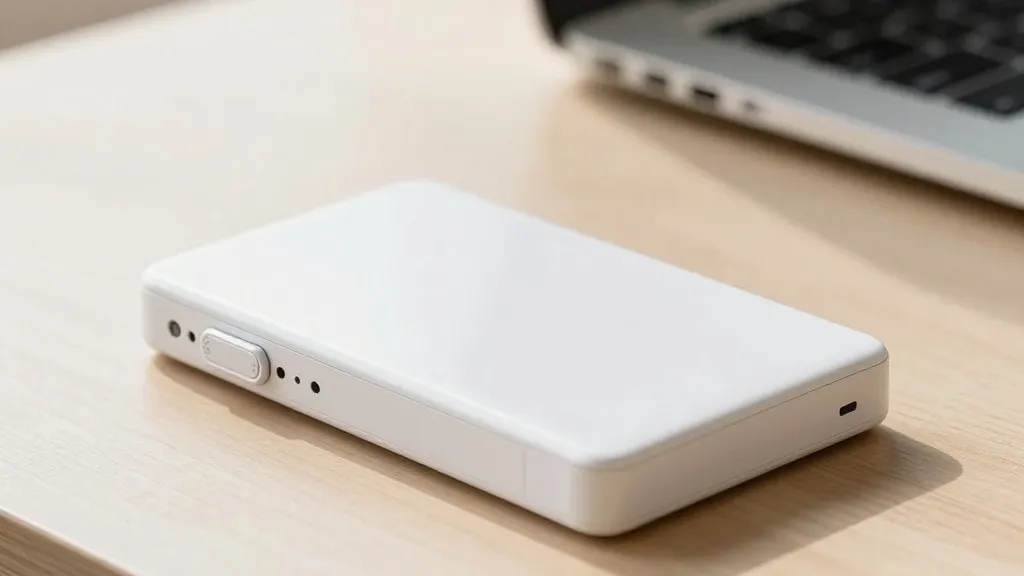
On October 23, 2001, Apple CEO Steve Jobs introduced a device that claimed to store 1,000 songs in a space no larger than a standard deck of cards. Priced at $399, the original iPod was marketed as a breakthrough that allowed users to carry their entire music library in their pockets. This launch occurred just five years before the arrival of the iPhone, establishing a product line that would remain central to Apple’s ecosystem for over a decade before its eventual discontinuation.
The technical specifications behind the device were ambitious for the time. The player featured a 5-gigabyte hard drive, which held approximately 1,000 MP3 files of typical pop-song length. To achieve this density, Apple utilized a 1.8-inch hard drive from Toshiba that was only 0.2 inches thick. The resulting device measured 2.4 by 4 by 0.78 inches and weighed just 6.5 ounces, making it lighter than most cell phones of that era. It supported CD-quality sound and played standard formats including MP3, WAV, and AIFF.
Steve Jobs positioned the iPod as the hub for a new digital lifestyle, a strategy that coincided with Apple’s recovery following the dot-com bubble burst. At the time, the market for portable digital music was fragmented among companies like Sony, Creative, and Sonic Blue. Jobs argued that none of these competitors had found the right formula for digital music. By choosing a hard-drive-based jukebox model over flash memory or CD players, Apple aimed to offer superior storage capacity. The presentation highlighted that the iPod was the first music player to use FireWire 400 for connectivity.
The speed of data transfer was a major selling point. Jobs claimed that transferring a full CD’s worth of music took only five to 10 seconds via FireWire, a stark contrast to the five minutes required by USB connections at the time. Filling the entire 1,000-song capacity could be done in about 10 minutes, compared to five hours on a standard USB player. The device also featured a rechargeable lithium-polymer battery that provided 10 hours of continuous playback and could reach 80% charge in just one hour.
User experience was central to the design, with a focus on ease of use. The interface included an accelerated scroll wheel with a piezoelectric clicker for tactile feedback, allowing for fast navigation by playlist, artist, or song. The design was minimal, with durable sides and a back, and controls tailored for single-hand operation. During the launch presentation, Jobs demonstrated the device by playing 'Building a Mystery' by Sarah MacLachlan. The iPod also launched alongside iTunes 2, which introduced Auto-Sync functionality.
This Auto-Sync feature ensured that music libraries curated on a Mac were automatically mirrored to the iPod whenever it was connected for charging or transfer. The device also functioned as an external FireWire hard drive. Although the iPod line continued until the final 7th-generation Touch model in May 2019, its official discontinuation did not occur until May 2022. The original launch remains a pivotal moment in tech history, marking the transition from bulky media players to the pocket-sized devices that defined the early 2000s.
The success of the iPod helped solidify Apple’s position in the consumer electronics market during a period of economic uncertainty. It demonstrated the potential for integrating hardware and software to create a seamless user experience. As smartphones eventually absorbed the functionality of dedicated music players, the iPod’s role diminished, but its initial impact on the industry was profound. The device set a new standard for portability and storage, influencing the design of consumer electronics for years to come.
Source: Tom's Hardware