Genetic Canines: Warhound Seeks to Engineer Military Dogs with Anduril Tech
Backed by $200 million, a new venture aims to genetically modify dogs for enhanced performance and equip them with advanced hardware to address the declining supply of U.S. working canines.
By Daniela Vargas ·
Warhound, a startup emerging from stealth this week, intends to fundamentally alter the role of canines in American defense by genetically engineering dogs for military, law enforcement, and emergency response teams. The venture, which has secured $200 million in funding, represents a significant pivot in how working animals are produced and equipped. Investors backing the move include Sequoia, 8VC, Corner Ventures, and In-Q-Tel, a firm supported by U.S. intelligence agencies. This substantial injection of capital values the company at $1.2 billion, signaling a confident bet on the commercial viability of bio-engineered service animals.
The rationale behind the project is rooted in a stark statistical reality facing the U.S. military. According to the company’s launch materials, over 80 percent of the military’s current working dogs are sourced from Europe, and fewer than half of those imported animals are deemed fit for service. This dependency on foreign supply chains highlights a dwindling domestic resource. Warhound proposes to solve this by creating a new type of dog, specifically engineered to possess characteristics suited for demanding missions such as bomb detection and complex search operations.
The leadership team behind this initiative combines biological expertise with defense technology. Ben Lamm of Colossal Biosciences and Palmer Luckey of Anduril formed the partnership after meeting at a conference approximately one year ago. Lamm noted that Luckey had previously expressed concern over the state of military working dogs. Following their introduction, Lamm investigated the genetic predispositions that often cause dogs to fail training, including issues related to eyesight, cancer, hip dysplasia, and muscle atrophy.
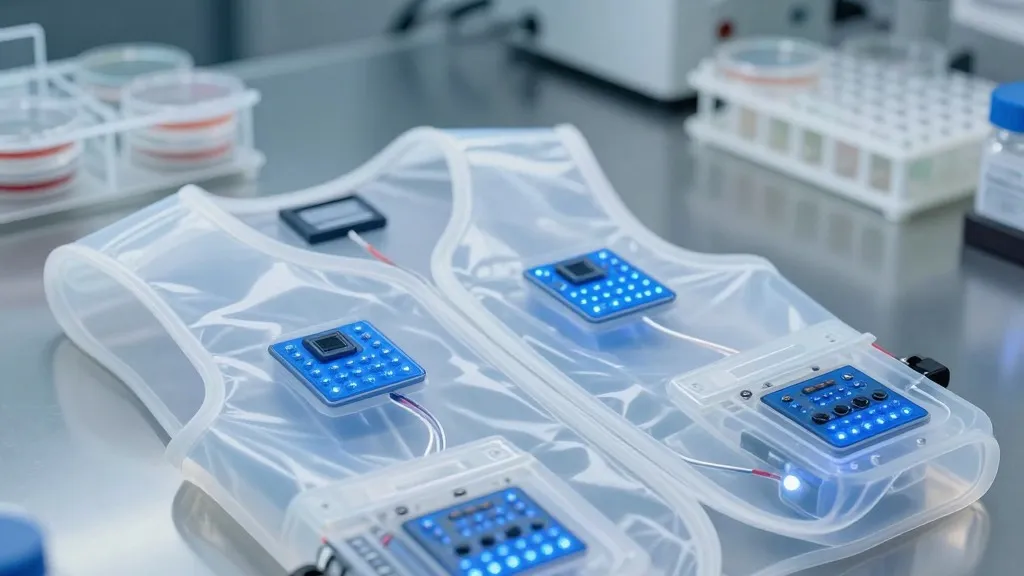
The technical approach involves taking cell lines from high-performing breeds, specifically the Belgian Malinois and German Shepherd, and placing them in a biobank. The team will edit these genes to enhance traits like speed, agility, and olfactory sensitivity while removing genes associated with health issues. Colossal, known for its de-extinction work on animals like the mammoth, will license its gene-editing technology to the venture. Meanwhile, Anduril will provide the hardware and software, including protective vests and goggles embedded with data sensors, to improve situational awareness for both the dogs and their handlers.
Regarding the operational timeline, Lamm stated that the first batch of dogs is currently being cloned and incubated, with births expected early next year and service entry ideally occurring within two years. Viagen, another Colossal-owned entity, is handling the cloning process using technology that boasts a high success rate. While pricing for these enhanced canines has not yet been determined, the company targets sales to the Department of Defense, police forces, and other first responders.
The stakes extend beyond simple logistics to questions of animal welfare and public trust. Lamm emphasized that Anduril’s gear is designed to protect the animals, describing it as enhancements that exist 'on top of the dog, not in the dog.' To address ethical concerns, Warhound is working under the guidance of the American Humane Society to certify its training programs. The Society stated it is pleased to be involved, aiming to ensure the animals are treated humanely. Upon retirement, these dogs are expected to enter reunification programs that provide them with permanent homes.
Despite the aggressive timeline, several questions remain regarding regulatory approval and long-term health impacts. Lamm indicated that the company has briefed various government groups but has not yet disclosed specific pricing or final approval statuses. The project represents a bold experiment in applying biotechnology to national security, blending genetic modification with high-tech gear to create a new class of military asset.
Source: TechCrunch