UK Weighs Prison Terms of Up to 14 Years for Undersea Cable Sabotage
A government policy paper proposes new criminal offences and emergency powers to protect undersea infrastructure as concerns grow over Russian vessels operating near cables.
By News Media House Staff ·
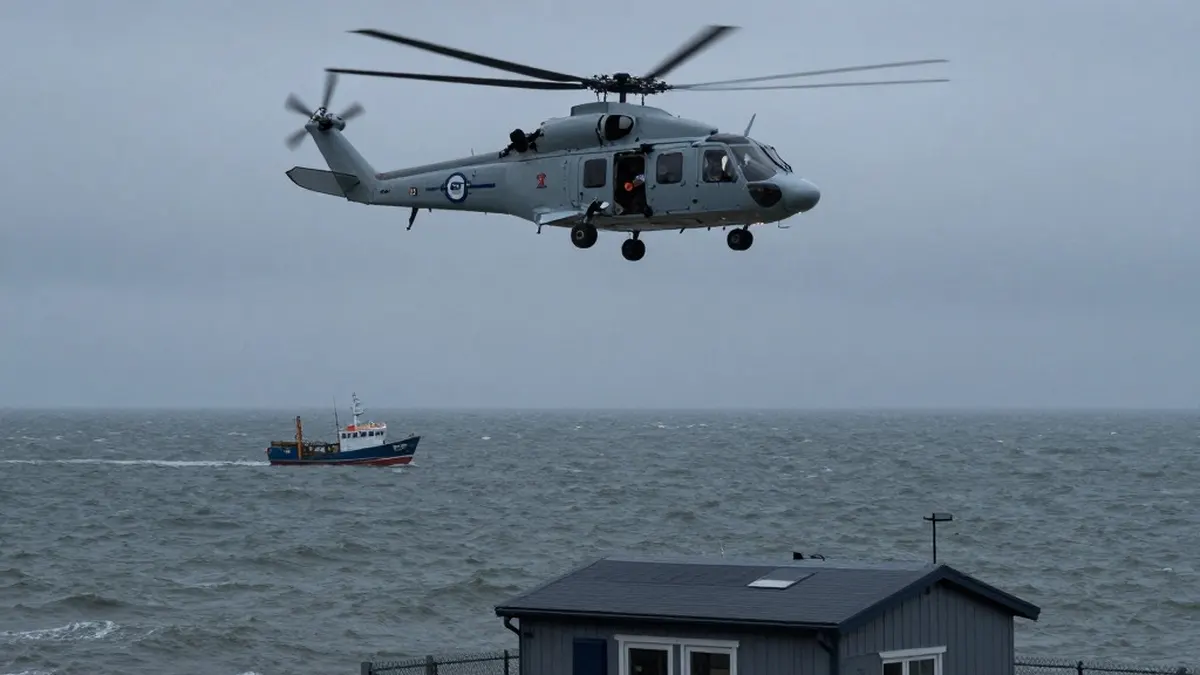
The UK government has set out plans for new powers and penalties aimed at protecting undersea cables during national security emergencies, the BBC reports. The proposals follow reports that Russia has been using commercial fishing trawlers to map undersea cables, with about 500 incidents of Russian boats loitering above cables over the past four and a half years.
In a policy paper published this week, the government said the UK is "highly dependent" on undersea infrastructure owned by private companies. The paper describes connectivity as "resilient," noting that "faults rarely causing noticeable disruption to data or energy availability," but warns the infrastructure remains "vulnerable to damage from accidents and potential sabotage."
Ministers are consulting on changes to legislation to address those risks, citing growing danger from hostile states. The paper says "threats to the homeland from state actors are increasing" and that "critical national infrastructure, including undersea cables and pipelines.. continue to be a target."
Among the proposals are new criminal offences. One would cover causing a security compromise to critical undersea infrastructure, and would capture both physical and non-physical interference, including remote electronic interference, cyber activity and certain preparatory conduct aimed at compromising infrastructure. Further offences would apply to obstructing repairs and to failing to preserve evidence when asked to do so.
The government is proposing a three-tier penalty structure. Intentional conduct would carry up to 14 years in prison, reckless conduct up to 10 years, and grossly negligent conduct up to two years, with potentially unlimited fines in each case. Officials are also considering an even higher maximum for the most serious cases, as well as whether the offences should apply only in UK national waters or more widely.
The plans would also give ministers new emergency powers. In a national emergency, they could order telecom companies to remove or disable services, and could compel those companies to give officials access to sensitive sites, including cable landing stations.
The proposals are set out in a White Paper, the term for an official UK government policy paper on prospective legislation. Interested parties can respond through an online questionnaire until January 14, 2027.
UK-Russia relations, like those between Russia and much of the West, have worsened since Russia's 2022 invasion of Ukraine. Earlier incidents, such as the 2018 Salisbury Novichok poisonings, form part of the backdrop to the long decline in ties.
Russia has also made several efforts to map and plan attacks on undersea cables in Europe. In September, reports suggested that NATO allies had foiled a Russian training exercise in Norway involving a "secret weapon" aimed at undersea cables. In January, Royal Navy attack helicopters were sent to drive off a Russian ship that was loitering less than a mile from five undersea cables in UK waters, one of the roughly 500 incidents involving Russian vessels.
Originally published by News Media House · Source: Tom's Hardware