20,000 Orders in 24 Hours: How a Flock of Digital Ducks Became the Holiday’s Top Tech Contender
Nvidia’s acquisition of Hugging Face has turned open-source duck bots into a viral phenomenon, with preorders surging past 20,000 units following a live demonstration at GTC Berlin.
By Samir Nasser ·
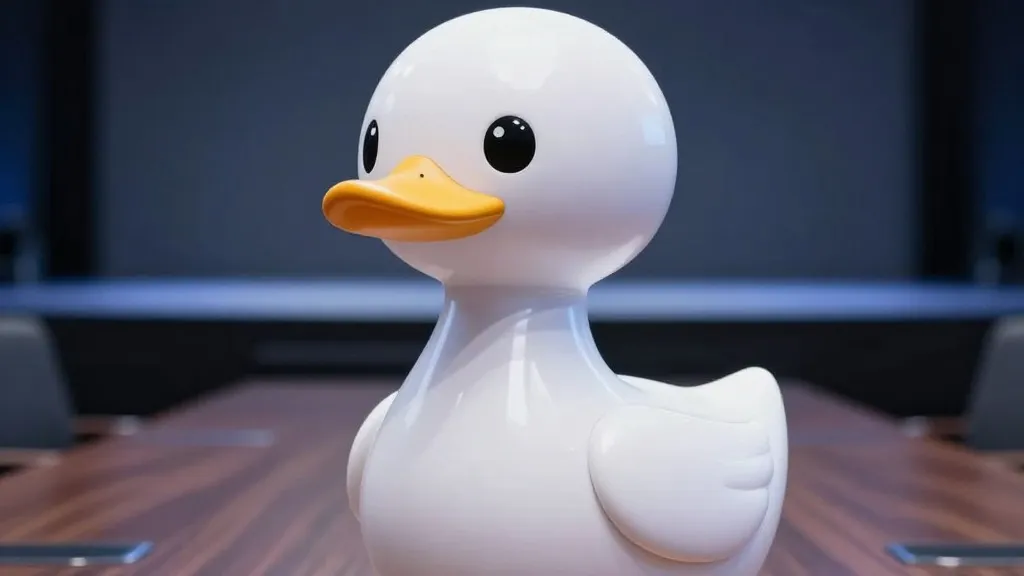
Twenty thousand preorders. That is the number that defined the first 24 hours after Nvidia CEO Jensen Huang took the stage at GTC Berlin earlier this week. The surge in orders for the Microduck robots occurred immediately after Huang was filmed interacting with a flock of the small, waddling machines during his keynote address. The footage, which quickly spread across social media, showcased the devices performing a series of synchronized and individual actions, including sitting, falling over for a simulated nap, and executing summersaults on voice command. The rapid accumulation of orders, confirmed by Hugging Face CEO Clem Delangue, signals a potential shift in consumer interest toward interactive robotics.
The primary driver of this demand appears to be the sheer entertainment value of the devices. In the viral clips, the Microducks are seen stomping their feet and emitting small, robotic sounds reminiscent of classic science fiction droids. This combination of movement and audio creates a distinct charm that resonated with viewers. The video’s popularity suggests that the market for holiday toys may be expanding beyond traditional categories, with these open-source robots positioning themselves as a leading candidate for the best-selling robot of the year, potentially appealing to adults as much as children.
The commercial trajectory of the Microducks is closely tied to the corporate restructuring of its parent companies. The robots are the product of Pollen Robotics, a firm acquired by Hugging Face in 2025. Subsequently, Nvidia purchased Hugging Face in September, making the Microducks part of the GPU giant’s expanding ecosystem. This is Hugging Face’s second foray into consumer robotics, following the earlier release of the Reachy Mini. The integration of these devices into Nvidia’s portfolio highlights the company’s strategy of embedding its technology into physical, interactive products rather than limiting its influence to cloud computing and data centers.
The technical foundation of the Microducks relies on Nvidia’s existing technology stack. The robots were trained using simulation environments where they learned basic motor skills such as walking, sitting, and standing. These pre-loaded behaviors are what users see in the promotional material and during the keynote demonstration. The open-source nature of the device allows for a high degree of customization, enabling owners to teach their Microducks new tricks. Furthermore, the ecosystem supports community sharing, where users can upload their custom-trained behaviors for others to download and use, fostering a collaborative development cycle that extends the device’s utility beyond its initial shipping state.
The timing of the Microducks’ release aligns with the holiday shopping season, with deliveries expected to arrive in time for Christmas. This window presents a significant opportunity for the product to establish itself as a dominant gift item. Delangue has suggested that the appeal may not be limited to the toy aisle, as promotional content frequently features adults engaging with the robots. This dual-targeting strategy could broaden the consumer base, capturing both families looking for holiday gifts and tech enthusiasts seeking novel hardware to tinker with. The rapid preorder growth indicates that this strategy is already gaining traction in the early stages of the holiday market.
The rise of the Microducks comes at a moment of heightened scrutiny for the artificial intelligence industry. Earlier in the week, the sector faced criticism as AI involvement was linked to a series of cyberattacks, creating a narrative of risk and complexity surrounding the technology. Against this backdrop, the Microducks offer a counter-narrative of simplicity and joy. The visual of a CEO playfully interacting with a group of cute, malfunctioning-seeming robots serves as a palate cleanser for the public, reinforcing the idea that AI can be approachable and fun. This positive association is likely to aid in sales, as consumers may be drawn to the tangible, lighthearted application of a technology that has recently been associated with more serious global challenges.
The success of the Microducks also underscores the changing landscape of consumer electronics. By leveraging simulation for training and open-source hardware for distribution, the device bridges the gap between academic research and mass-market product. The fact that a high-profile executive like Huang personally demonstrated the product’s capabilities adds a layer of credibility and visibility that few other toys can match. As the holiday season approaches, the Microducks are poised to test whether the charm of a waddling robot can compete with established giants in the toy industry, potentially redefining what consumers expect from smart hardware in the home.
Source: TechCrunch